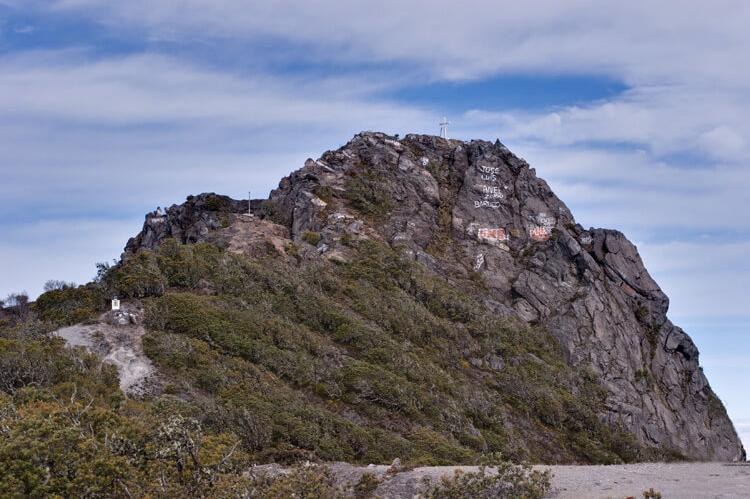
Rising majestically above the clouds to an elevation of 3,474 meters (11,398 feet), Volcán Barú is the highest point in Panama and the centerpiece of the Chiriquí Highlands. Reaching its volcanic summit is Central America's premier trekking achievement. On clear mornings, it is one of the extraordinarily rare vantage points on Earth where you can stand in one spot and witness the sun rising over both the Pacific Ocean and the Caribbean Sea simultaneously.
However, summiting Barú is not a casual stroll. With a continuous 1,650-meter elevation gain across steep volcanic rock, freezing summit winds, and overnight timings, proper preparation is essential. This definitive 2026 guide breaks down everything you need to know: the overnight hike vs. 4x4 overland jeep tours, summit weather, permits, gear packing lists, and where to rest and recover in Volcancito.
Two Ways to Reach the Summit: Hike vs. 4x4 Tour
Option 1: The Overnight Foot Trek
The classic adventurer's challenge. Starting from the National Park Ranger Station at midnight, you hike by headlamp along a rocky volcanic road. The continuous incline tests your calves and lungs, but hiking under brilliant starlit skies and watching the clouds turn pink and gold below you at 6:00 AM is an unmatched personal triumph.
Option 2: The 4x4 Overland Jeep Tour
Specially modified high-clearance 4x4 overland vehicles tackle the rugged, rock-strewn volcanic road. Departing around 3:30 AM, you arrive at the summit shelter just before dawn with minimal physical exhaustion — ideal for photographers, families with older kids, or travelers on a tight schedule.
What to Expect on the Hike: Section by Section
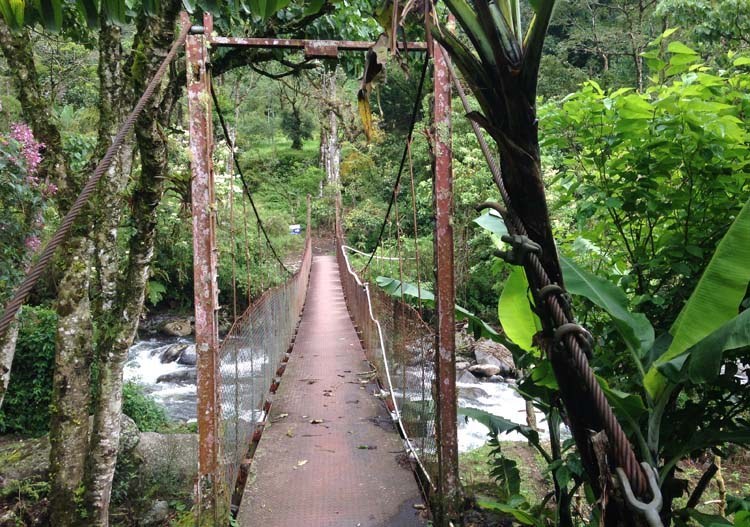
The trail leaves the ranger station and climbs steadily through agricultural pasture and highland cloud forest. Temperatures are cool (55°F / 13°C), and the air is fresh.
The incline steepens and the ground shifts into loose volcanic rock and gravel. The trees grow smaller, and you enter sub-alpine paramo terrain. The air thins noticeably.
The wind picks up significantly, and temperatures drop toward freezing (32°F–36°F / 0°C–2°C). The final kilometer winds past telecommunications antennas up to the rocky summit cross for the dramatic two-ocean sunrise.
Mandatory Summit Gear Checklist
Do not underestimate the cold at 3,474 meters. Many hikers have had to turn around due to hypothermia. Pack the following essentials:
- Thermal Base Layer: Moisture-wicking long-sleeve shirt and leggings.
- Warm Mid-Layer: Fleece jacket or lightweight down puffer.
- Windproof & Waterproof Outer Shell: A quality jacket to cut through 30+ mph summit winds.
- Winter Accessories: Warm gloves, fleece beanie, and neck gaiter.
- Lighting: High-lumen headlamp with extra batteries (or power bank).
- Hydration & Fuel: At least 2.5 liters of water, electrolyte tablets, energy bars, nuts, and a thermos with hot tea.
- Trekking Poles: Highly recommended to save your knees on the steep 13.5-kilometer descent.
Post-Summit Celebration: Coffee & Breakfast Downtown
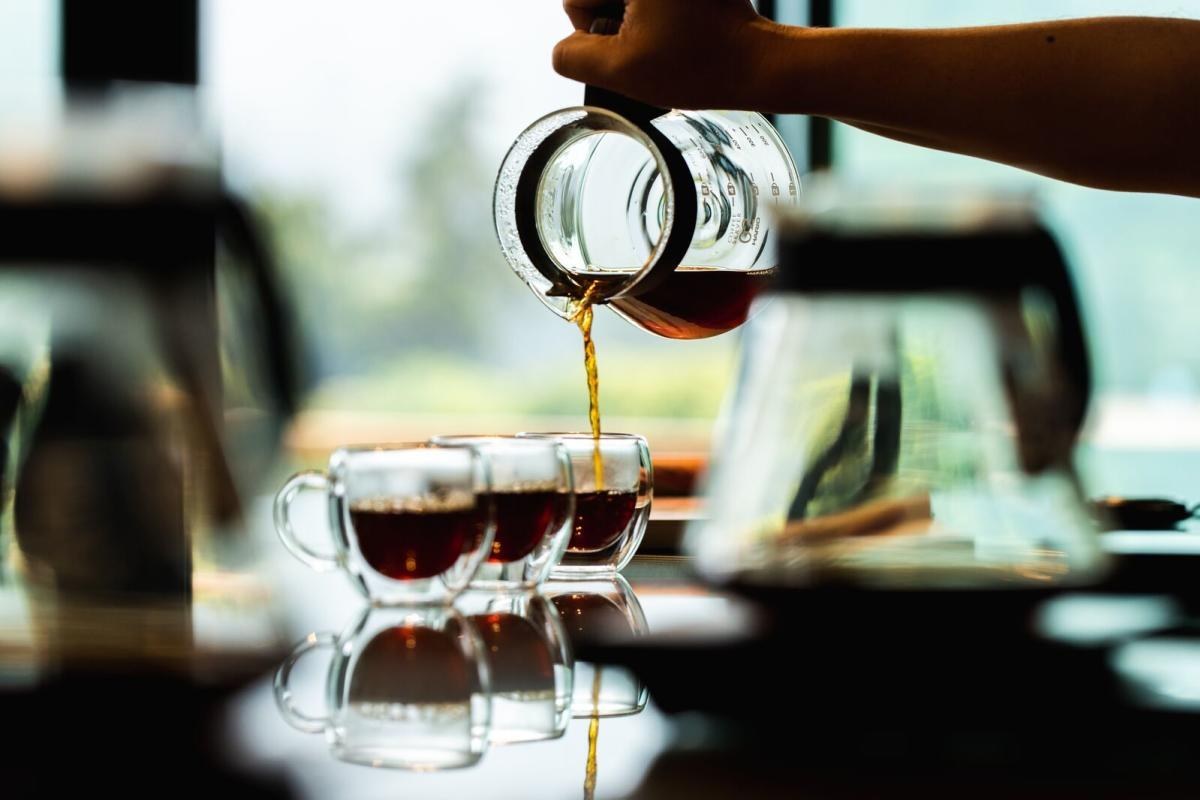
After descending from the volcano around 10:30 AM or 11:00 AM, head straight into Bajo Boquete to celebrate your achievement. Stop by welcoming specialty coffee houses like Buckle Tip Coffee Studio for a steaming pour-over of freshly roasted Geisha coffee, fresh orange juice, and a hearty hot brunch.
Where to Recover: The Ultimate Sanctuary in Volcancito
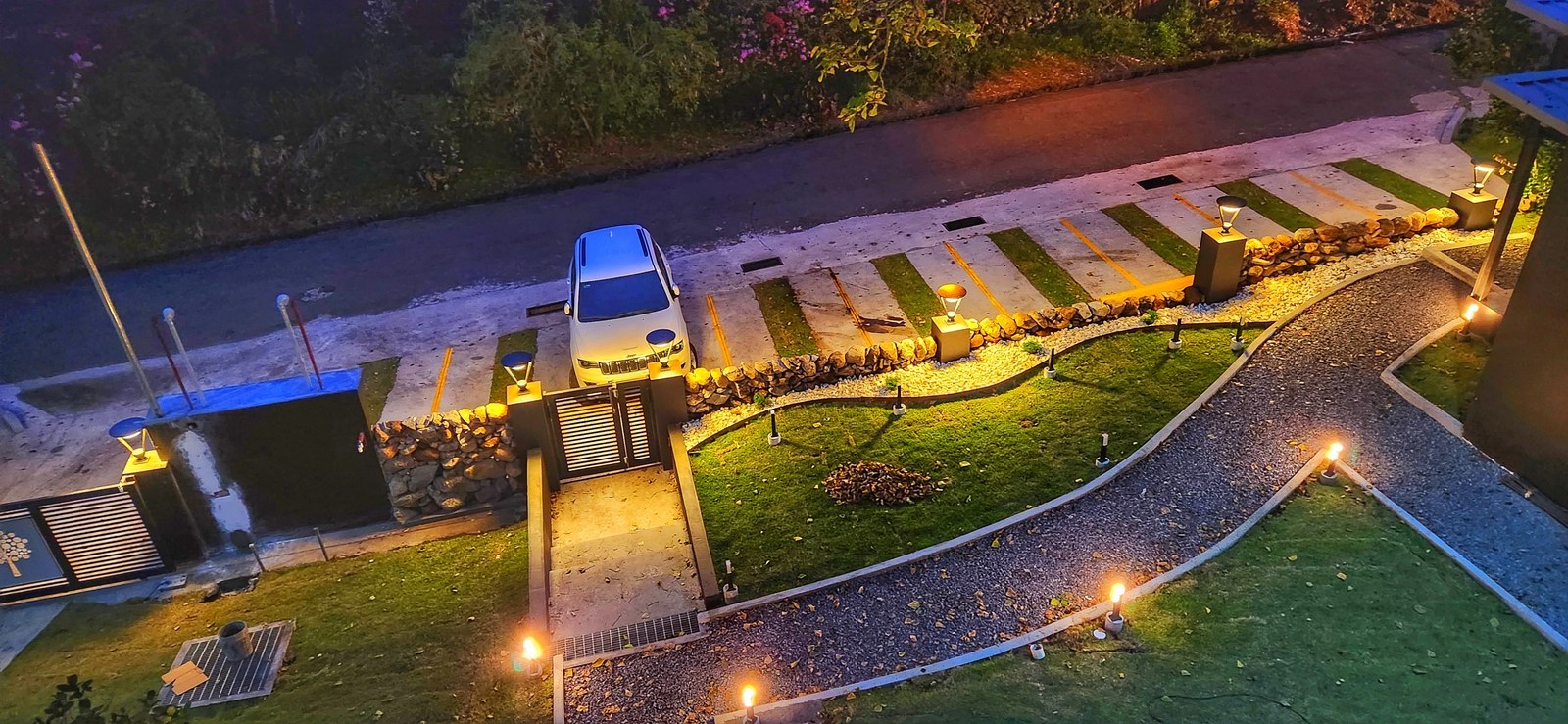
After 12 hours of grueling trekking on volcanic rock, you need a peaceful, restorative haven. Located just 5 minutes above downtown Bajo Boquete on smooth paved roads, Volcancito is the premier residential hillside.
Corotú Garden offers private, standalone wooden eco-cabins specifically equipped for hiker recovery:
- Hot High-Pressure Showers: Continuous hot water to wash away volcanic dust and soothe sore leg muscles.
- Plush Bedding & Mountain Silence: Enjoy a deep, undisturbed afternoon recovery nap with zero road noise.
- Fully Equipped Kitchens: Prepare hot hearty celebratory meals on your own schedule.
- Private Covered Terraces with Hammocks: Put your feet up with a hot cup of tea while admiring the gardens.
- Outdoor Fire Pit Area: Celebrate your summit victory by the fireside under starry skies.
Frequently Asked Questions
Can you really see both the Pacific Ocean and Caribbean Sea from Volcán Barú?
Yes. On clear mornings — most frequently during the dry season from December to April — the 3,474-meter summit offers an unobstructed 360-degree panoramic view where you can see the Pacific Ocean on one side and the Caribbean Sea on the other.
How hard is the hike up Volcán Barú?
The hike from Boquete is 13.5 km each way (27 km roundtrip) with 1,650 meters of continuous elevation gain on loose volcanic rock. It takes 6 to 8 hours up and 4 to 5 hours down, requiring high physical fitness and endurance.
How cold is it at the summit of Volcán Barú?
Summit temperatures before sunrise often drop to 32°F–40°F (0°C–4°C) with strong windchill. Thermal base layers, a fleece, windproof winter jacket, gloves, and a beanie are mandatory.
Should I hike or take a 4x4 tour up Volcán Barú?
Choose the overnight hike if you want a physical bucket-list endurance challenge. Choose the 4x4 overland jeep tour if you want to enjoy the spectacular sunrise with minimal physical strain or if traveling with non-hikers.
Where should I stay before and after summiting Volcán Barú?
Volcancito is the best sector to base your climb. Accommodations like Corotú Garden provide quiet wooden cabins, high-pressure hot showers to soothe weary legs, full kitchens for pre-hike carb-loading, and private hammock decks for post-summit recovery.
Corotú Garden: Your Base to Explore Boquete
Private mountain cabins with a full kitchen, a hammock terrace and a nightly fire pit — the perfect place to return to after a day of adventure in Boquete.
Check Availability