With its unique geographical position bridging North and South America, combined with the towering elevation gradients of Volcán Barú and the Talamanca mountain range, Boquete is one of the world's most celebrated birdwatching destinations. Within a 30-minute drive from downtown, birders can explore virgin cloud forests, sub-alpine paramo, and shade-grown coffee agroforestry systems that shelter over 400 recorded avian species.
Foremost among these is the legendary Resplendent Quetzal (Pharomachrus mocinno) — revered by ancient Mesoamerican civilizations for its iridescent emerald plumage and dramatic three-foot tail streamers. Whether you are an experienced ornithologist or a casual nature enthusiast, this updated 2026 guide reveals the best birding hotspots, peak seasons, identification secrets, and where to stay in Volcancito.
How to Spot the Resplendent Quetzal: Pro Field Guide
While the Quetzal is a bucket-list sighting, its brilliant emerald green plumage acts as near-flawless camouflage against the wet, mossy leaves of the high canopy. Here is how professional guides track them: follow the fruit of wild avocados (aguacatillos), listen for the distinct two-note whistle at dawn, target the nesting season from February through May, and focus on the early morning hours between 6:30 and 9:00 AM.
Top 4 Birdwatching Hotspots in Boquete
1. Sendero Los Quetzales (Alto Chiquero & Guadalupe)
Connecting Boquete to Cerro Punta within Volcán Barú National Park, this trail represents the highest concentration of mature wild avocado trees in Panama. High-elevation cloud forest species — such as the Resplendent Quetzal, Silvery-fronted Tapaculo, Black-and-yellow Silky-flycatcher, and Torrent Duck — are regularly documented along this corridor.
2. The Pipeline Trail (Bajo Mono)
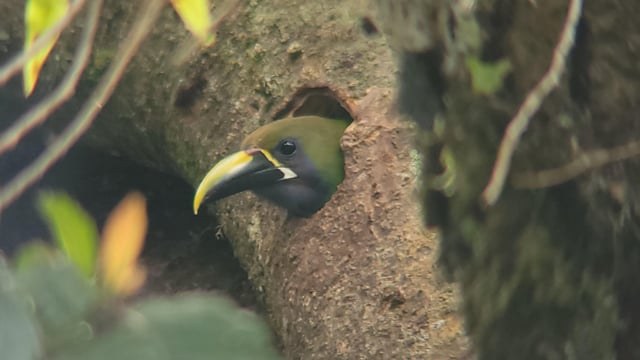
Because of its gentle grade and pristine river valley habitat, The Pipeline Trail is fantastic for mid-canopy birding. Look for Emerald Toucanets, Collared Redstarts (known locally as amigo del hombre), Slaty-backed Nightingale-Thrushes, and Black Guan.
3. Volcancito Hillside Gardens
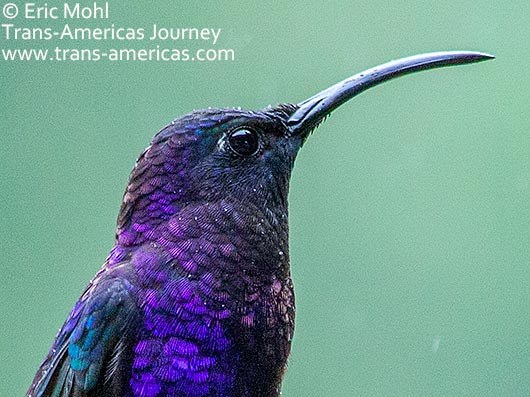
The southern volcanic ridge of Volcancito is world-famous for its incredible diversity of hummingbirds and garden birds. Blooming with native purple porterweed, salvias, and shade coffee blossoms, private gardens here attract the Violet Sabrewing, White-necked Jacobin, Stripe-tailed Hummingbird, and dazzling tanager flocks.
4. Finca Lérida & Alto Quiel Private Forest Reserves
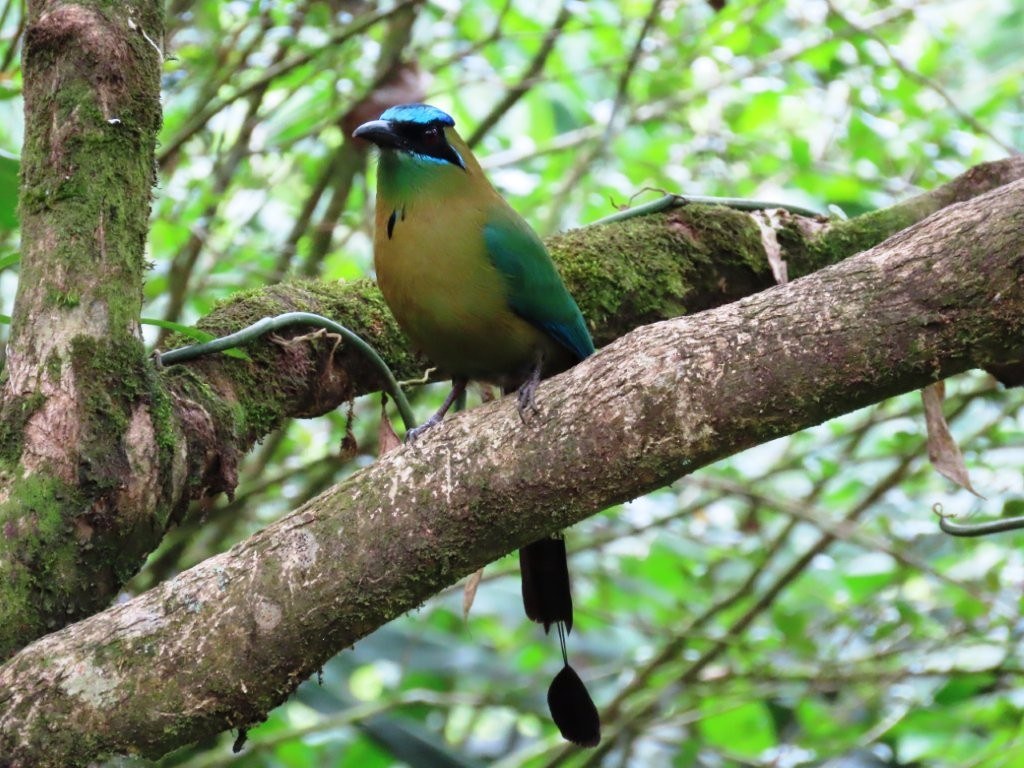
Established over a century ago, this historic coffee plantation encompasses hundreds of acres of protected high-altitude rainforest. It was historically studied by Smithsonian ornithologists and remains an essential stop for spotting the Three-wattled Bellbird, Highland Tinamou, and Lesson's Motmot.
Recommended Birding Gear Checklist
- Binoculars: 8x42 or 10x42 with ED glass and waterproof coating for misty conditions.
- Camera Setup: 300mm to 600mm telephoto lens with high ISO performance for low-light forest canopy shooting.
- Field Guide App: The Cornell Merlin Bird ID app (Panama pack) or the Panama Birds field guide.
- Muted Clothing: Earth-toned green, brown, or khaki layers; avoid bright fluorescent colors.
Post-Birding Specialty Coffee & Brunch Downtown
After a rewarding 6:00 AM birding excursion, head into Bajo Boquete to warm up. Welcoming specialty cafes serve freshly roasted Geisha pour-overs, artisan espresso, and hearty hot breakfasts where you can review your bird checklists and photos in comfort.
Where to Stay: The Ultimate Birdwatcher's Haven in Volcancito
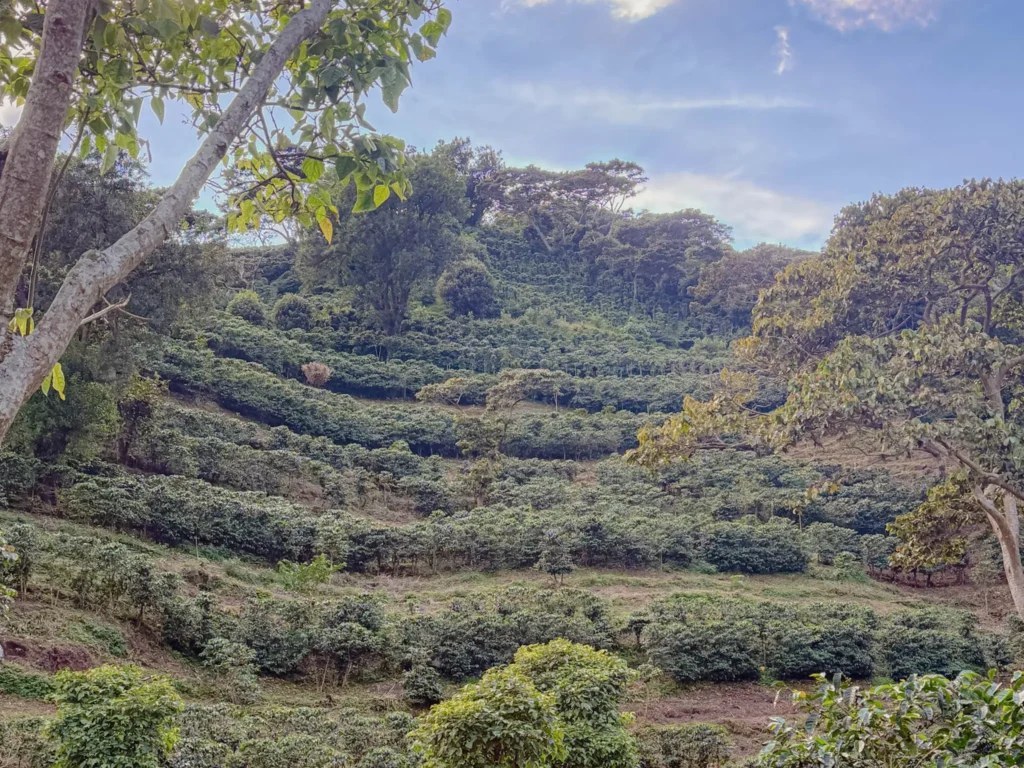
For birders, where you stay can double your daily species count. Located on the sun-drenched coffee slopes just 5 minutes above town, Volcancito is Boquete's premier avian sanctuary. Corotú Garden offers boutique wooden eco-cabins nestled in bird-rich native gardens and coffee trees:
- Birdwatching from Your Deck: Watch dozens of hummingbirds, tanagers, and motmots from your private covered terrace hammock without leaving your cabin.
- Fully Equipped Kitchens: Prepare early 5:30 AM coffees and packed trail breakfasts before morning field excursions.
- Continuous High-Pressure Hot Showers: Warm up after brisk, misty morning birding walks.
- Outdoor Fire Pit: Share daily bird sightings under starlit skies by the evening fire pit.
- Certified Guide Concierge: Direct WhatsApp assistance to connect you with top licensed local ornithology guides and spotting scope rentals.
Frequently Asked Questions
When is the best time of year to see the Resplendent Quetzal in Boquete?
The prime season runs from February through May during the Quetzal breeding and nesting cycle. During these months, male birds actively display their vibrant 3-foot-long twin tail feathers and feed on fruiting wild avocado trees (aguacatillos).
What are the best birdwatching trails in Boquete?
The top birding trails are Sendero Los Quetzales (Alto Chiquero & Guadalupe), The Pipeline Trail (Bajo Mono), the private forest reserve of Finca Lérida, and the lush garden slopes of Volcancito.
How many bird species can you find in Boquete?
Over 400 distinct avian species have been recorded in the Boquete and Volcán Barú region, including Talamancan highland endemics, dozens of hummingbird varieties, toucanets, motmots, tanagers, and bellbirds.
Do you need a specialized birding guide in Boquete?
While you can spot common species independently, hiring a certified local naturalist guide with a high-powered spotting scope significantly increases your chances of locating camouflaged quetzals and rare canopy dwellers.
Where is the best place to stay for birdwatchers in Boquete?
Volcancito is considered Boquete's premier birding haven. Staying at Corotú Garden places you in private wooden cabins surrounded by flowering gardens and coffee trees where dozens of hummingbird species, motmots, and tanagers can be watched directly from your private terrace hammock.
Corotú Garden: Your Base to Explore Boquete
Private mountain cabins with a full kitchen, a hammock terrace and a nightly fire pit — the perfect place to return to after a day of adventure in Boquete.
Check Availability